Ignition Cylinder Repair
When a key refuses to turn — or won't slide into the ignition at all — your day can grind to a halt instantly. Whether you're parked on Bryn Mawr Avenue heading to the Red Line, stuck in a lot near Andersonville, or stranded on Lake Shore Drive after a late shift, a seized or damaged ignition cylinder is more than an inconvenience. It's a safety and security issue that needs skilled hands, not guesswork. Edgewater IL Locksmith is a 24/7 mobile automotive locksmith serving Chicago and the surrounding area, and we bring the repair directly to wherever your vehicle is sitting.
Open 24 hours, 7 days a week · Licensed, bonded & insured
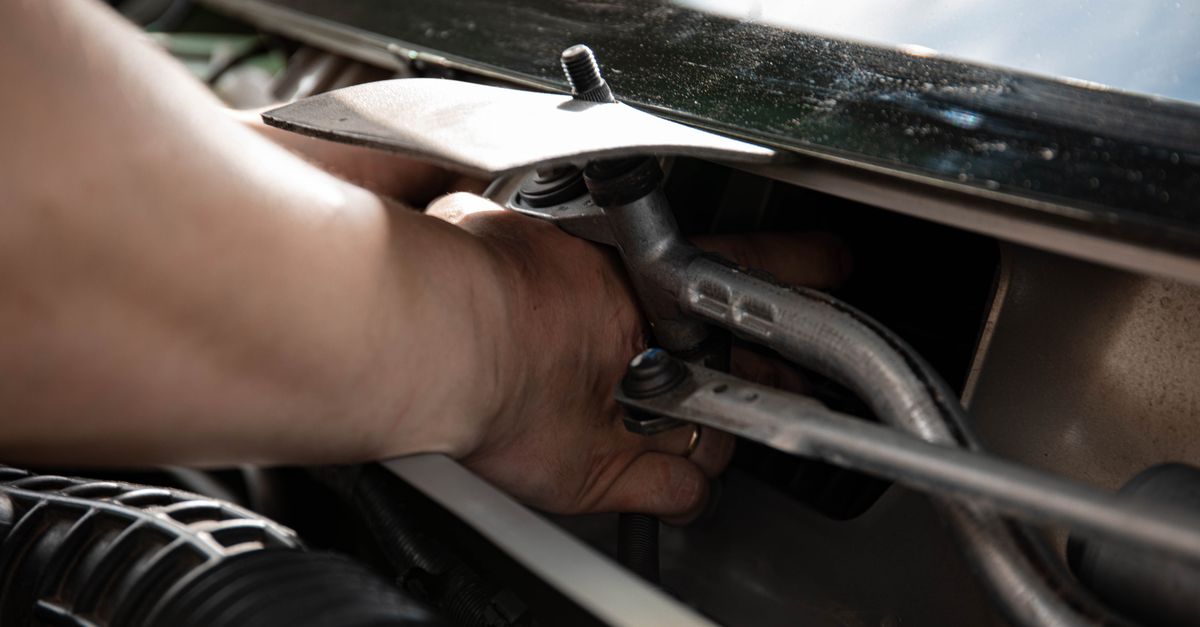
Ignition problems rarely announce themselves in advance. A cylinder can wear gradually over thousands of ignition cycles, or it can fail suddenly because of a broken key, a damaged wafer, or a jammed tumbler. Forcing a stiff key or repeatedly jiggling it in the cylinder only deepens the damage and raises the cost of the eventual fix. Our trained, insured technicians arrive on-site fully equipped to diagnose the root cause, explain your options clearly, and restore your ignition with as little disruption to your vehicle as possible — all before a single wrench turns.
What we do
Available 24/7
Day, night, weekends and holidays — a real local locksmith answers and rolls a fully-stocked van.
Fast local response
Based in Chicago, we reach the Chicago area in well under an hour.
Insured & background-checked
Vetted technicians, up-front pricing, and no surprise add-ons when we arrive.
Damage-free entry
We pick and bypass locks the right way, so most lockouts are solved without drilling anything.
Why Ignition Cylinders Fail — and Why Chicago Conditions Make It Worse
An ignition cylinder contains a series of spring-loaded wafers or pins that align perfectly when the correct key is inserted. Over time — especially in Chicago's freeze-thaw cycles — metal fatigue, road salt corrosion, and temperature swings cause those internal components to wear unevenly or stick. A wafer that's only slightly bent can be enough to prevent the cylinder from rotating, leaving you with a key that turns partway and then stops. Moisture that seeps into the cylinder housing during a March thaw and refreezes overnight is a common culprit in the North Side neighborhoods like Edgewater and Rogers Park, where older vehicle fleets sit exposed to the elements all winter.
Worn keys compound the problem. A key that has been used for years develops micro-grooves and rounding that no longer match the cylinder's internal profile precisely. The result is a cylinder that turns inconsistently — fine on warm days, stubborn on cold ones. Our mobile technicians carry precision gauges, cylinder picks, and manufacturer-specific wafer sets so we can assess whether the cylinder needs cleaning and lubrication, internal component replacement, or a full cylinder swap. We never apply force before understanding the mechanics, which means damage-free outcomes are achievable in the large majority of cases.
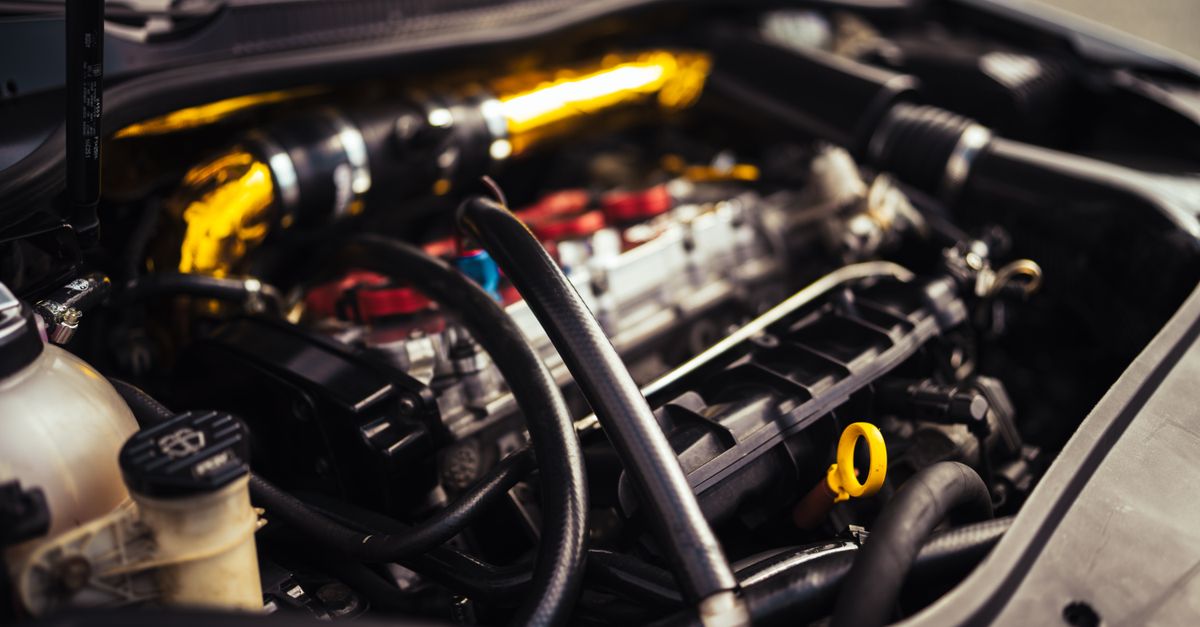
Our Ignition Cylinder Repair Process: From Diagnosis to a Working Key
When you call (773) 832-5820 and we dispatch to your location, our technician's first step is a full visual and tactile inspection — checking the key for wear, the cylinder face for scoring or debris, and the surrounding housing for signs of prior tampering or impact. If a broken key fragment is lodged inside, we use professional extraction tools to remove it without damaging the cylinder walls. If the cylinder itself is the issue — seized tumblers, corroded springs, or a cracked housing — we determine whether an in-place repair is viable or whether a cylinder replacement is the correct fix.
For vehicles where the ignition cylinder can be repaired rather than replaced, we disassemble, clean, rekey, and reassemble on-site. When a full replacement is required, we source a matching cylinder, cut a new key to fit, and program or pair it to your vehicle's immobilizer system if applicable. Modern vehicles from manufacturers like Toyota, Ford, GM, and Honda often integrate transponder or chip technology directly with the ignition; our technicians carry the programming equipment to handle those systems in the field. Before any work begins, we confirm an exact, up-front price so there are no surprises — your quote is locked in before we pick up a single tool.
What Determines the Cost of Ignition Cylinder Repair in Chicago?
A fair question we hear constantly is: how much does a locksmith cost in Chicago for ignition work, and how much should an emergency locksmith cost when you're stranded? The honest answer is that pricing varies based on several concrete factors. The make and model of your vehicle matters enormously — a 2008 Honda Civic ignition cylinder is a straightforward part, while a late-model European import with a steering-column-integrated immobilizer requires more specialized components and labor time. The nature of the repair itself (extraction only vs. rekey vs. full cylinder replacement with programming) also drives the quote. Travel distance to your location within the Chicago metro area, time of day, and whether any proprietary parts must be sourced are additional variables.
We don't use vague estimates or bait-and-switch pricing. When you call us — at any hour — we ask the key diagnostic questions over the phone, give you a transparent quote, and confirm it again on-site before work starts. That price doesn't change unless the physical inspection reveals a meaningfully different underlying problem, and we explain any change in scope before proceeding. If you're wondering how much should a locksmith cost per hour for automotive work, it's worth understanding that mobile ignition repair isn't billed the same way a mechanic bills flat-rate shop hours — it's a specialized field call that accounts for parts, programming equipment, and the expertise to do the job correctly the first time. Reach out any time at (773) 832-5820 for a no-pressure consultation.
The Full Range of Services Our Mobile Automotive and Emergency Locksmith Team Provides
Ignition work is just one piece of what our trained professionals handle across Chicago every day. Whether it's a residential, automotive, or commercial need, Edgewater IL Locksmith is equipped to respond — 24/7, mobile, and without requiring you to tow your vehicle or leave your home or business unprotected. Our services include: ignition cylinder repair and replacement; broken key extraction from ignitions; ignition rekey without cylinder replacement; transponder key cutting and programming; smart key and proximity fob programming; car lockout service; trunk lockout service; high-security vehicle key duplication; residential lockout service; residential lock rekey; residential lock replacement; door knob lock installation and repair; mortise lock installation and service; deadbolt installation and upgrade; sliding door and patio lock repair; window lock installation; master key system design for residential properties; commercial lockout service; commercial lock rekey; commercial mortise lock installation and maintenance; panic bar and push-bar hardware installation; access control system integration; keypad and electronic lock programming; safe opening and combination changes; broken key extraction from door locks; mailbox lock replacement; garage door lock service; storage unit lock service; high-security lock installation (including Schlage and Kwikset lines); and after-hours emergency locksmith response throughout the Chicago metro area. Whether you need a quick car lockout resolved near the Edgewater Beach Apartments or a full commercial mortise lock overhaul for a Bryn Mawr retail space, we have the tools and training to handle it on-site.
Residential, Commercial, and Chicago-Wide Emergency Locksmith Coverage
Our automotive ignition work doesn't exist in isolation — it's part of a broader commitment to being Chicago's most responsive mobile locksmith for residential, automotive, and commercial needs alike. On the residential side, we handle everything from rekeying a door knob lock after a move-in on Glenwood Avenue to installing a heavy-duty mortise lock on a vintage greystone in Edgewater that needs upgraded security without sacrificing the building's historic hardware aesthetic. Mortise locks are the preferred choice for many Chicago two-flats and vintage multi-units precisely because of their superior internal bolt mechanism and resistance to forced entry — and our technicians are skilled in fitting, adjusting, and rekeying them correctly.
For commercial clients — retail shops along Broadway, office buildings near the Thorndale Red Line stop, or restaurants operating late-night on Clark Street — we provide commercial locksmith services including after-hours lockout response, access control integration, and commercial mortise lock systems that meet the durability demands of high-traffic entries. Finding a reputable locksmith in Chicago means looking for a team that shows up, communicates clearly about pricing, verifies your ownership before touching any lock, and has the hands-on experience to work across vehicle makes, residential hardware brands, and commercial-grade systems. That's exactly what Edgewater IL Locksmith delivers, seven days a week, at any hour. Call (773) 832-5820 — we answer 24/7.
Frequently asked questions
My key goes in but the ignition won't turn at all — is the cylinder broken, or could it be something else?
A key that inserts but won't rotate can point to several different causes. The most common are worn internal wafers inside the cylinder, a key that has developed enough wear to fail alignment, or debris and corrosion inside the cylinder housing. In some cases — particularly with column-mounted ignitions — the steering wheel lock can engage and create resistance that feels like a cylinder failure but isn't. Our technicians diagnose all of these possibilities on-site before recommending any repair, so you're not paying for work you don't need.
How much does ignition cylinder repair cost in Chicago, and what affects the final price?
There's no single flat number because several factors shape the quote: the year, make, and model of your vehicle; whether the repair involves extraction only, a rekey, or a full cylinder replacement; whether your vehicle has a transponder or immobilizer system that requires programming; the time of day you call; and travel distance to your location within the Chicago area. We explain all of these factors over the phone and confirm an exact price before any work begins — that price doesn't change unless an on-site inspection reveals a materially different problem, and we always explain any scope change before proceeding.
Is it safe to keep turning a stiff or sticky key in the ignition to try to get it to work?
It's not recommended. Forcing a key that isn't turning smoothly can snap the key off inside the cylinder, bend internal wafer components further, or score the cylinder walls — all of which make the repair more complex and costly. If your ignition is stiff, the safest course is to stop applying force, try gently withdrawing the key and reinserting it at a slightly different angle once, and call a professional if the problem persists. Our mobile team can be on-site quickly to handle extraction and repair without the kind of damage that forcing causes.
Can you repair the ignition cylinder without replacing the entire ignition switch?
In many cases, yes. The ignition cylinder (the mechanical tumbler assembly your key physically enters) and the ignition switch (the electrical switch behind it that sends power to the vehicle's systems) are separate components. If the electrical switch is functioning and only the cylinder is worn or damaged, we can often repair or replace the cylinder alone, which is simpler and less expensive than addressing the entire assembly. Our technicians identify which component is at fault during the initial inspection so you're only paying for what's actually needed.
How do I know the locksmith I'm calling is legitimate and not going to damage my car or overcharge me?
A reputable locksmith will ask for your name, vehicle information, and proof of ownership before performing any ignition work — that's a professional standard, not an inconvenience. They'll also give you a clear price before starting and arrive in identifiable equipment. Our technicians are trained and insured, carry professional-grade tools, and follow an ownership-verification process on every call. We never begin work until you've confirmed the quote. If you're evaluating how to find a reputable locksmith in Chicago, those are the concrete standards to hold any provider to.
Do you handle ignition repairs for all vehicle makes, including newer models with transponder keys?
Yes. Our mobile technicians are equipped to work across a wide range of domestic and foreign makes — including vehicles from Toyota, Honda, Ford, GM, Chrysler, and others — and we carry transponder programming equipment in the field. Newer vehicles with push-to-start systems, proximity fobs, or chip-embedded keys require programming steps that go beyond mechanical cylinder work, and we handle those on-site as well. If you're not sure whether your vehicle has transponder technology, our team can confirm it over the phone and factor it into your quote before we arrive.
Locked out or need a lock fixed? We are on the way.
Open 24 hours, 7 days a week · Insured, background-checked technicians · Up-front pricing
(773) 832-5820