Master Key System Setup
Edgewater sits at the northern edge of Chicago's lakefront, a dense mix of vintage courtyard apartment buildings, six-flat greystone walk-ups, converted commercial storefronts along Bryn Mawr Avenue, and multi-tenant office suites that house everyone from independent medical practices to small nonprofits. Managing physical access across all of those doors — reliably, securely, and without handing out dozens of individual keys — is exactly the problem a professionally designed master key system solves. When our trained, insured technicians at Edgewater IL Locksmith design a tiered keying hierarchy for your property, we translate your real-world access map into a mechanical system that lets the right people through the right doors, every time.
Open 24 hours, 7 days a week · Licensed, bonded & insured
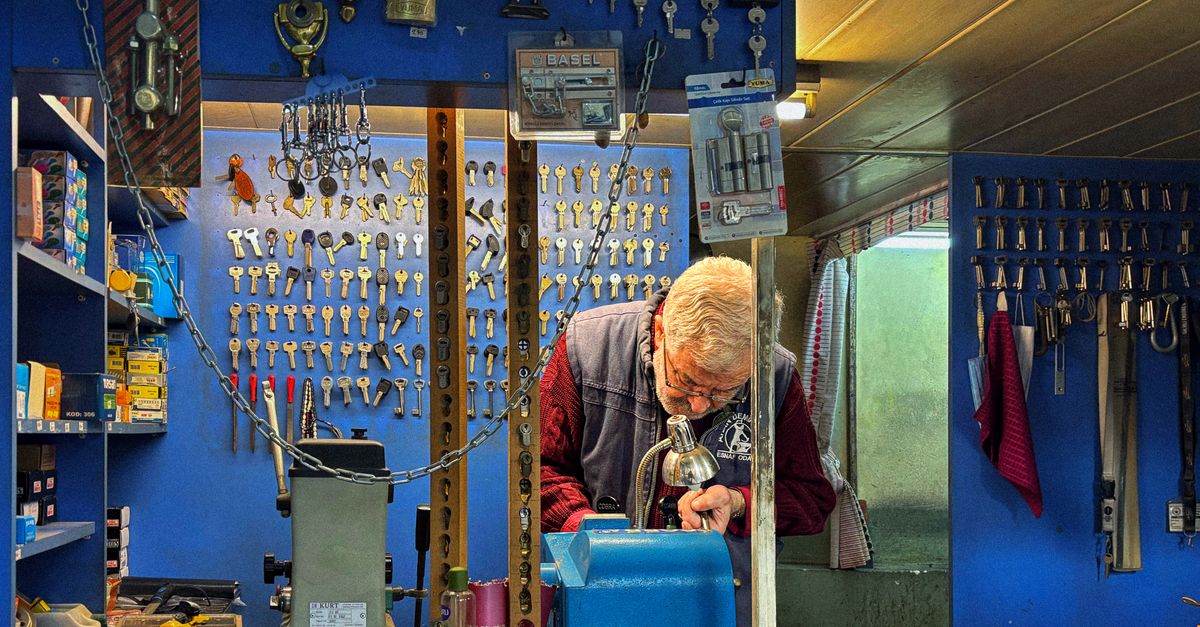
A master key system isn't a single lock swap — it's a planned architecture of cylinders, pins, and key cuts that layers access privileges from the ground up. Whether you oversee a three-story mixed-use building on North Sheridan Road, a professional office suite near the Bryn Mawr Red Line stop, or a campus of commercial properties spread across the Chicago area, our mobile commercial locksmith team comes directly to your location, assesses your existing hardware, and engineers a keying plan before a single cylinder is touched. We confirm an exact, up-front price before any work begins, so there are no surprises on the invoice.
What we do
Available 24/7
Day, night, weekends and holidays — a real local locksmith answers and rolls a fully-stocked van.
Fast local response
Based in Chicago, we reach the Chicago area in well under an hour.
Insured & background-checked
Vetted technicians, up-front pricing, and no surprise add-ons when we arrive.
Damage-free entry
We pick and bypass locks the right way, so most lockouts are solved without drilling anything.
What a Tiered Master Key System Setup Actually Does for Your Building
A tiered — or hierarchical — master key system organizes your building's locks into levels of access called key groups. At the bottom level sit individual change keys, each opening only one door. Above those sit sub-master keys, which open every door within a defined zone (a single floor, a department wing, or a tenant suite). Grand master keys open every lock in the entire building, and — for large campuses or property management portfolios — a great-grand master key can span multiple buildings under one umbrella. Every key in the hierarchy is mechanically encoded so that it can open its authorized doors and physically cannot open anything above its clearance level. This is not a software permission — it's baked into the pin stacks of each cylinder.
For a Chicago commercial property, this structure solves real daily problems. A building manager in Edgewater no longer needs to carry a ring of fifty keys; one grand master handles every suite. A cleaning crew gets a sub-master limited to common areas and restrooms, with zero ability to enter private offices. An individual tenant's employee has a change key that works only on their suite door. When an employee leaves, only the affected change key cylinder needs to be re-keyed — the rest of the hierarchy stays intact. That kind of surgical access control is what separates a proper master key system setup from simply duplicating keys and hoping for the best.
Mortise Lock Integration: The Core Hardware Behind Commercial Master Keying
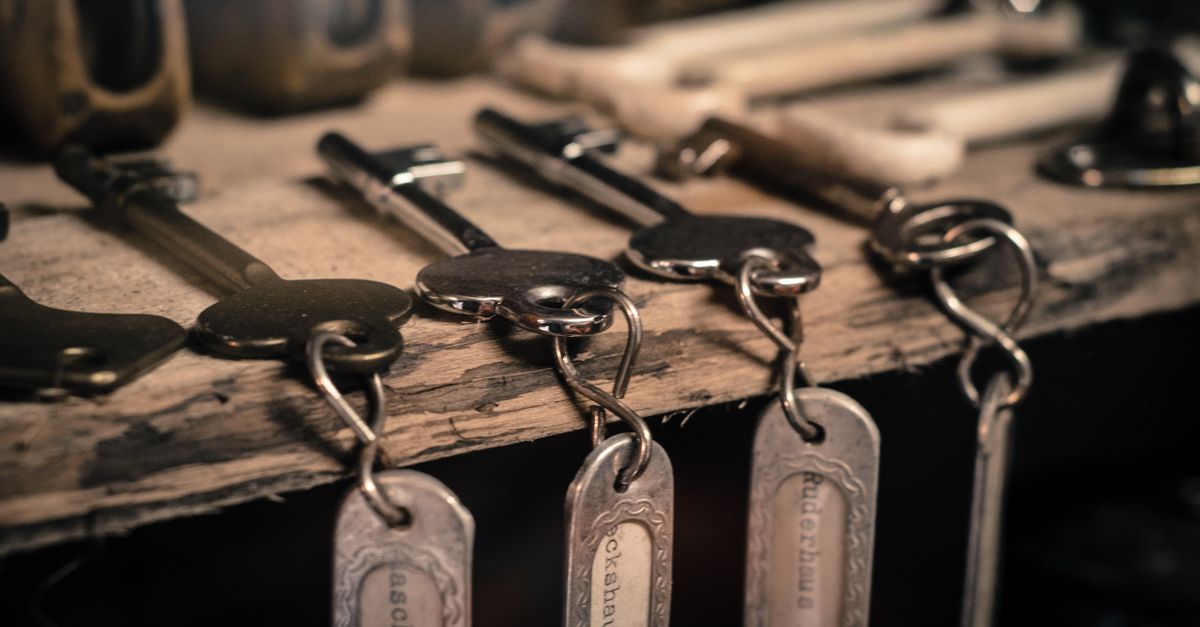
The mortise lock is the workhorse of any serious commercial keying project, and it's the hardware our commercial locksmith technicians most commonly work with on Chicago's older building stock. Unlike a cylindrical lock that sits inside a bored hole, a mortise lock body is mortised — recessed — into the edge of the door itself, giving it a much larger internal chassis. That larger chassis accommodates a full-size interchangeable core or a high-security cylinder with the additional pin chambers needed to encode multiple shear lines, which is the mechanical prerequisite for a functioning master key hierarchy. Attempting to build a true tiered system on basic door knob lock hardware is possible in small-scale residential scenarios but quickly runs into engineering limits in a multi-tenant commercial context.
When our technicians assess a building, they evaluate every existing mortise lock for cylinder compatibility, tailpiece length, cam style, and whether the lock body itself is worth retaining or should be upgraded. Many of Edgewater's courtyard buildings still have original mortise lock bodies from the mid-twentieth century — the cast-iron housings are often still mechanically sound. We can re-core those housings with new high-security cylinders that accept a modern master keyed system, preserving the original hardware while dramatically increasing security. For doors that have been retrofitted with door knob lock or lever hardware over the decades, we assess whether the existing prep work supports a mortise conversion or whether a keyway-compatible cylindrical solution is the better path for that specific opening.

How Our Mobile Master Key System Setup Process Works — From Survey to Final Key
Because we are a fully mobile commercial locksmith operation, the entire process happens at your property — we come to you. A site survey is the non-negotiable first step. Our technician walks every door that will be included in the system, documents lock hardware, door prep, and frame conditions, and maps out your desired access levels. We ask questions that matter: Does your cleaning contractor need overnight access to common areas? Should the building owner's grand master also open the mechanical room? Do any doors require restricted keyways that can't be copied at a hardware store? Those answers shape the keying matrix — a document that assigns every cylinder a position in the hierarchy before a single key is cut.
From the keying matrix, we calculate the parts needed: cylinders, cores, keys, and any new mortise lock bodies or door knob lock replacements. We then provide you with an exact, confirmed price. The factors that shape that number include the number of doors and cylinders involved, the grade and brand of hardware specified (high-security options like Schlage's SFIC systems or Kwikset's SmartKey-compatible lines sit at different price points), the complexity of the keying hierarchy, and whether any door prep or lock body work is required alongside the re-keying. Travel distance from our Edgewater base and time-of-day scheduling can also be factors. Once you approve the quote, our technician completes the installation on-site, tests every key at every authorized door, and hands over a documented key control record. Ready to map out your building? Call (773) 832-5820 — we answer 24/7.
Emergency Locksmith Response and Ongoing Access Control for Chicago Buildings
A master key system also changes how you handle emergency locksmith situations. When a tenant is locked out at midnight on a January night on the North Side, a building manager with a working grand master key can respond immediately — but when that's not an option, our 24/7 mobile emergency locksmith team is one call away. We arrive at your Edgewater location, verify ownership or tenancy, and resolve the lockout without damaging the door hardware where at all possible. Our damage-free approach is especially important in older Chicago buildings where original mortise lock trim and strike plates can be difficult or expensive to replace.
Beyond emergencies, we offer re-keying and cylinder rotation services for buildings that have experienced staff turnover, lost keys, or a security incident. Because a properly documented master key system includes a key control record, we can pinpoint exactly which cylinders need attention without overhauling the entire hierarchy. We also install and service a broader range of access solutions for the Chicago area, including: high-security deadbolts, Schlage B-series commercial deadbolts, Kwikset SmartKey re-keyable cylinders, interchangeable core (IC) systems, mortise lock bodies and trims, restricted keyway systems, electronic keypad deadbolts, keypad lever locks, card-access-ready electric strikes, magnetic lock (maglok) systems, door closer and coordinator hardware, push-bar (panic device) exit hardware, cabinet and drawer locks, mailbox lock re-keying for multi-unit buildings, padlock keying for storage and utility rooms, garage and overhead door locks, sliding door locks and Charlie bars, window locks and auxiliary bolts, safe lock service and combination changes, automotive transponder key programming, car key duplication and fob replacement, ignition lock cylinder service, residential re-keying after a move-in or lockout, and door knob lock replacement and upgrade. That breadth means a single call to (773) 832-5820 can address every lock on your property rather than coordinating multiple contractors.
Frequently asked questions
How much does a locksmith cost in Chicago for a master key system?
There is no single flat rate because master key system pricing is built from several specific factors: the number of doors and cylinders being incorporated, the grade of hardware specified (commercial-grade mortise lock cylinders cost more than basic cylindrical hardware), whether new lock bodies are needed alongside re-keying, the complexity of the key hierarchy, and travel distance to your property. Time of day matters too — an after-hours or weekend commercial project is priced differently from a scheduled daytime appointment. What we never do is start work before you know exactly what you'll pay. Every engagement begins with an on-site assessment and a confirmed, itemized price you approve before a single cylinder is touched.
How much should a locksmith cost per hour for commercial keying work?
Many locksmiths quote commercial keying work as a project price rather than a pure hourly rate, because the labor time is inseparable from parts selection, key cutting, and testing. When time-based billing does apply — such as for extended survey work on a large multi-building property — the rate reflects the technician's skill level, the specialized equipment required for high-security cylinders, and whether the work falls outside standard business hours. Rather than chasing an hourly benchmark that may not reflect what your specific project actually involves, ask for a full scope-of-work quote. We provide exactly that, up front, with no hidden add-ons after the job is done.
How much should an emergency locksmith cost when a master key is lost or a building is locked down?
Emergency locksmith calls — particularly after-hours ones for commercial properties — are priced based on the time of day, the travel distance to your Chicago location, what hardware service is actually needed (re-keying a single cylinder versus servicing an entire floor), and any parts required on the spot. A lost grand master key is a serious security event, not just an inconvenience, and the right response is a cylinder rotation on every lock that key could have opened, not just a duplicate key cut. We scope that work on arrival, confirm the price before proceeding, and complete the rotation in a single visit where possible so your building is secure before we leave.
How to find a reputable locksmith in Chicago for a building master key project?
The clearest indicators of a reputable commercial locksmith are verifiable insurance, technicians who will perform an in-person site survey before quoting, and a willingness to provide a written keying matrix and key control record as part of the job. Be cautious of any locksmith who quotes a master key system over the phone without asking detailed questions about your building layout, hardware types, and access levels — that's a sign they're guessing, not engineering. Our team at Edgewater IL Locksmith is trained, experienced, and insured, and we treat every master key project as a security engineering engagement, not a simple key-cutting errand. We serve the full Chicago area from our Edgewater base and document every system we build.
Where can I find an affordable locksmith in Chicago for ongoing building maintenance?
The word 'affordable' means different things depending on what's actually included in the service. A low upfront number that doesn't include a proper site survey, documented key control records, or quality cylinder hardware will cost more over time through re-work, security gaps, and emergency calls. What we offer is transparent pricing — every factor that affects your quote is explained clearly, and you approve the number before work begins. We also build systems designed to minimize future cost: a well-engineered master key hierarchy means re-keying after staff turnover affects only the cylinders that need to change, not the entire building. That's long-term value, not a one-time price point.
Can a master key system work alongside electronic or keypad access on the same building?
Absolutely, and it's increasingly common in Chicago commercial properties that want the redundancy of mechanical keys alongside the audit-trail capabilities of electronic access. The most practical approach is a hybrid system: mortise lock bodies fitted with electrified cylinders or electric strikes controlled by a keypad or card reader, with a mechanical override cylinder keyed into the master key hierarchy for emergency or power-outage access. Our technicians assess your existing door prep to determine which openings can support an electrified mortise lock conversion and which are better served by a standalone electronic keypad deadbolt with a mechanical key bypass. The two systems are documented separately but coordinated so there are no gaps in your access control coverage.
Locked out or need a lock fixed? We are on the way.
Open 24 hours, 7 days a week · Insured, background-checked technicians · Up-front pricing
(773) 832-5820